Kamisaraki - Perù

Kamisaraki - Perù

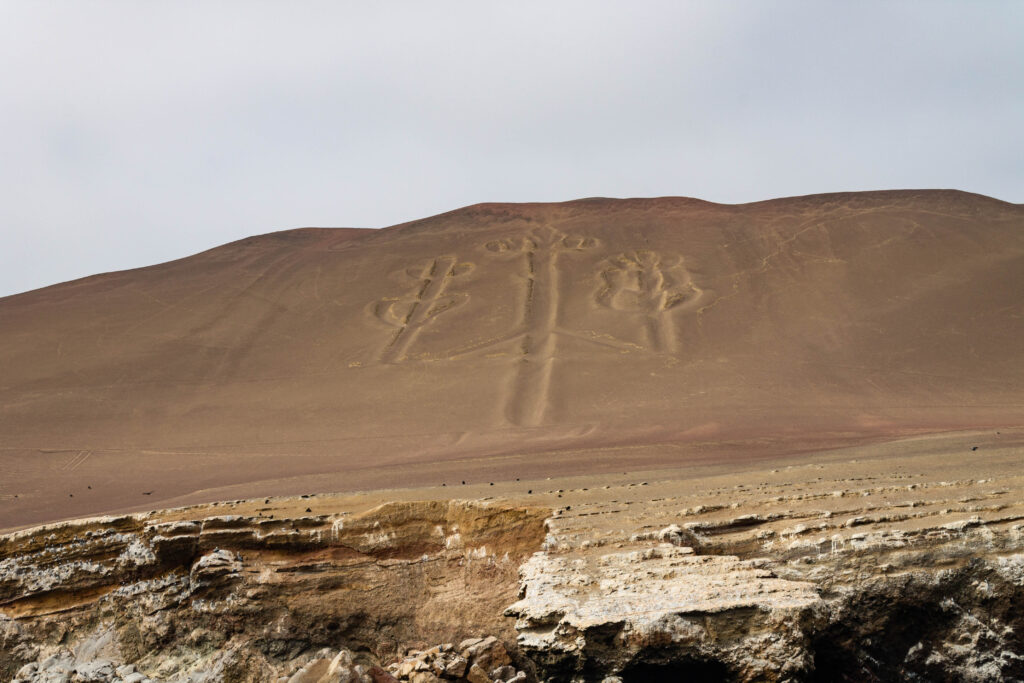
Paracas – Islas Ballestas. 0 meters above sea level.

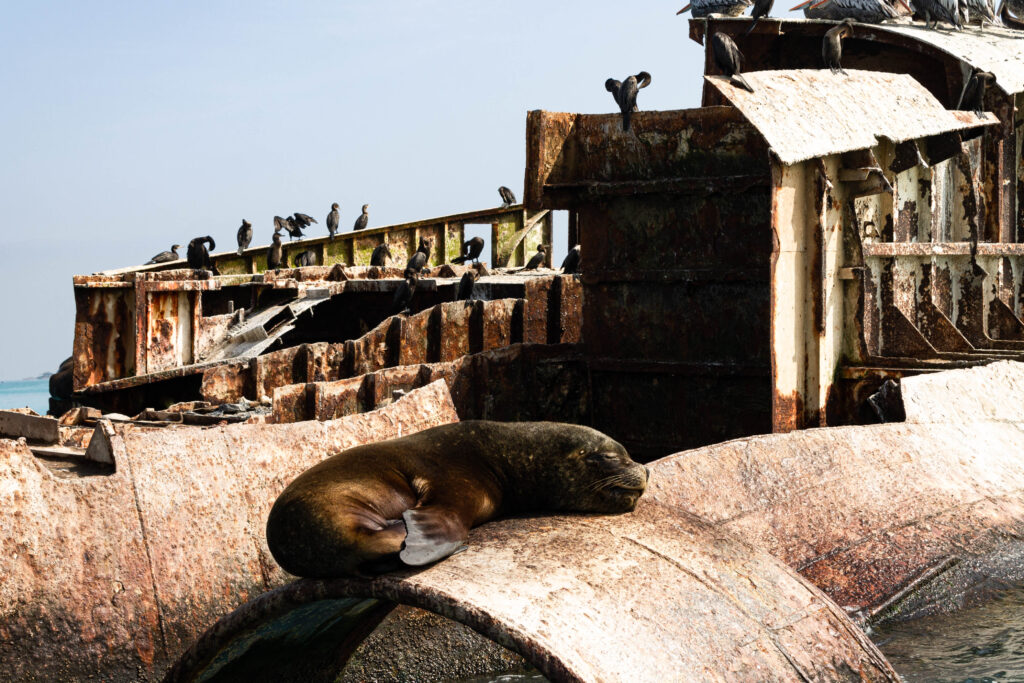
“All poor countries look alike,” my father had told me before I left. It doesn’t take me long to confirm this statement: the streets of Lima resemble those of Buenos Aires, and the suburban neighborhoods, with their garish signs darkened by smog, remind me of corners of Dhaka. It feels like being in California, but with a smoky, wintery melancholy. At dawn on the second day, we head south to the Islas Ballestas, about two hundred kilometers from the capital. And there, it’s a whole different story.

Cuzco – 3399 meters above sea level.

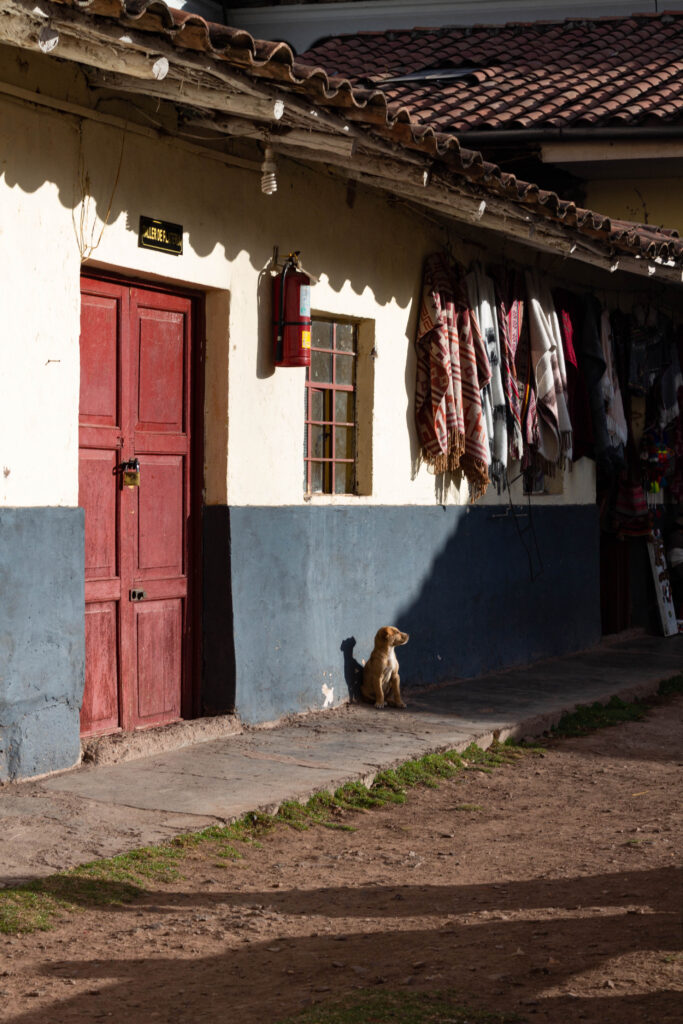
To reach the city, you pass through quiet villages, stray dogs, once-colorful kiosks, and people waking up at dawn. Everything seems frozen in time, back to the era of the Conquistadors, to some undefined year in the 16th century. Diego, who guides us through these streets, tells me that he is learning to speak the Quechua language; it has survived Spanish colonization because indigenous families continued to speak it in secret during colonial rule.

Cuzco – 3,399 meters above sea level.
 

To reach the city, you pass through lifeless towns, stray dogs, once-vivid kiosks, and people waking up at dawn. Everything seems frozen in the time of the Conquistadors, in some undefined year of the 16th century. Diego, who is guiding us through these streets, tells me he is learning to speak Quechua; it survived Spanish colonization because indigenous families continued to speak it in secret during those years.

At sunset, we board the train at Ollantaytambo station: the Andes begin to give way to trees. We have arrived in Aguas Calientes, at the gateway to the Amazon rainforest.

Machu Picchu – 2,430 meters above sea level.

When Professor Bingham arrived at this place in 1911, accompanied by the indigenous landowner Melchor Arteaga, it was perhaps dawn, and perhaps everything was shrouded in clouds. He must have waited an hour before the sun appeared over the shoulders of the “old mountain.”

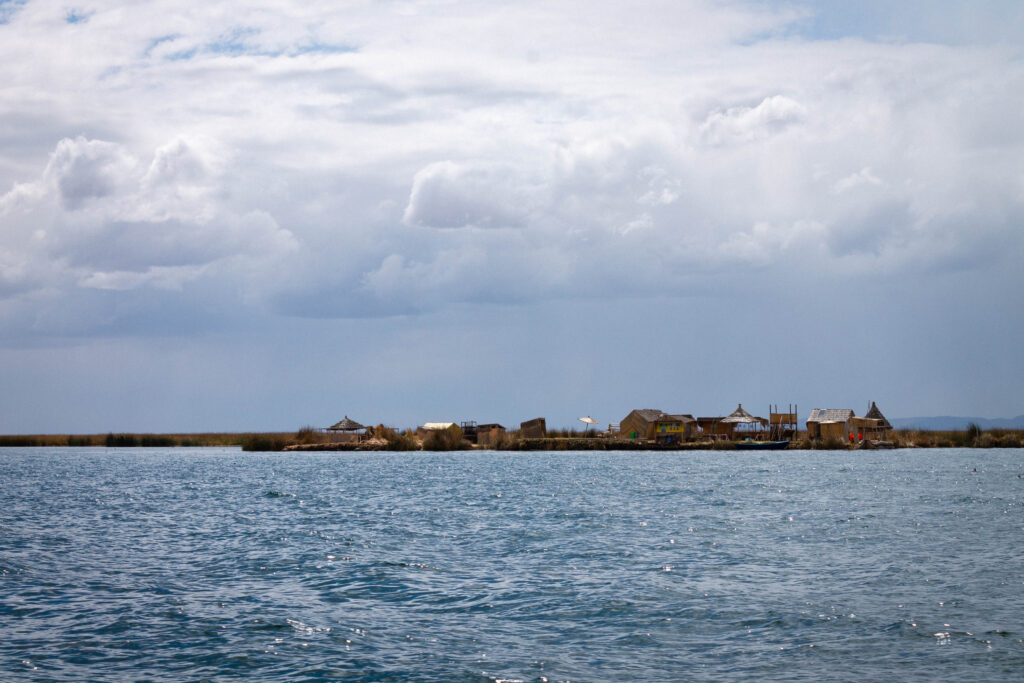
Islas Flotantes de los Uros (Lake Titicaca) – 3,810 meters above sea level.
 

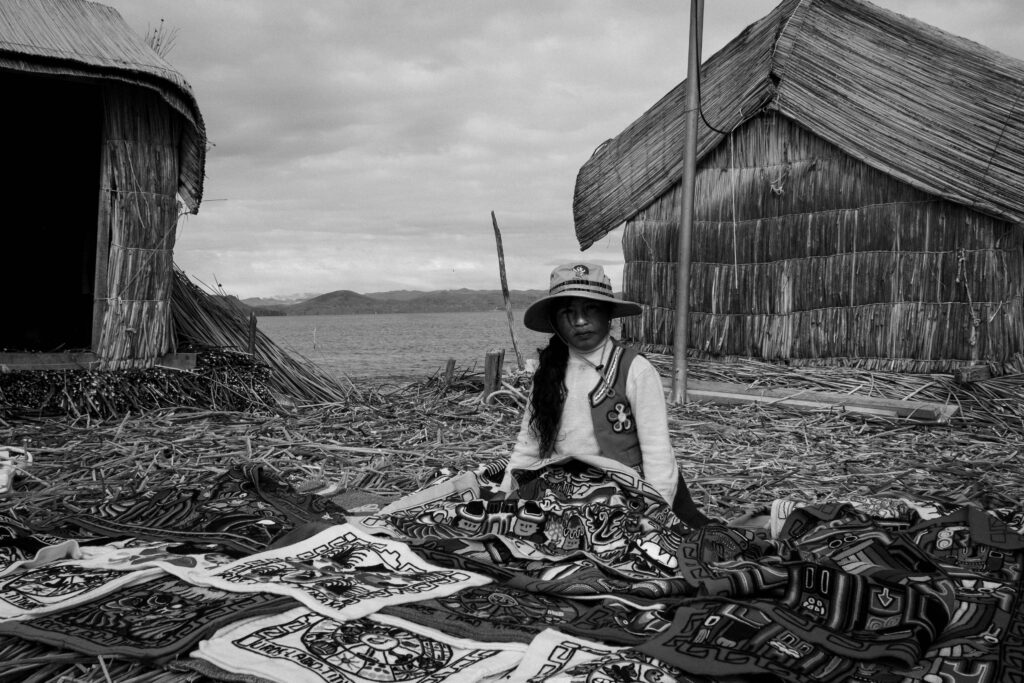
If you look at a map upside down, Lake Titicaca resembles a puma biting a rabbit. Onboard, before disembarking, I spoke with Pedro, the boatman: he told me he spends his days on the water, coming ashore only to sleep. He hasn’t returned to his island in years.

Isla Luquina (Lake Titicaca) – 3,810 meters above sea level.

Tonight, I will sleep here, in the home of a native family. Huilbert, Estephania, and little Gavi live in a small red house, cold but powered by two solar panels on the roof. We are sitting around a bowl of steaming semolina soup. We talk about our lives; they ask what we do and how many children we have (or plan to have). They speak to me in Spanish and to each other in Aymara. That’s how I learn that “hello, how are you?” is said as “kamisaraki.” I ask Gilbert if he’s afraid that this language might disappear one day. Not at all: many young people are deeply connected to the land; Aymara is far from vanishing.

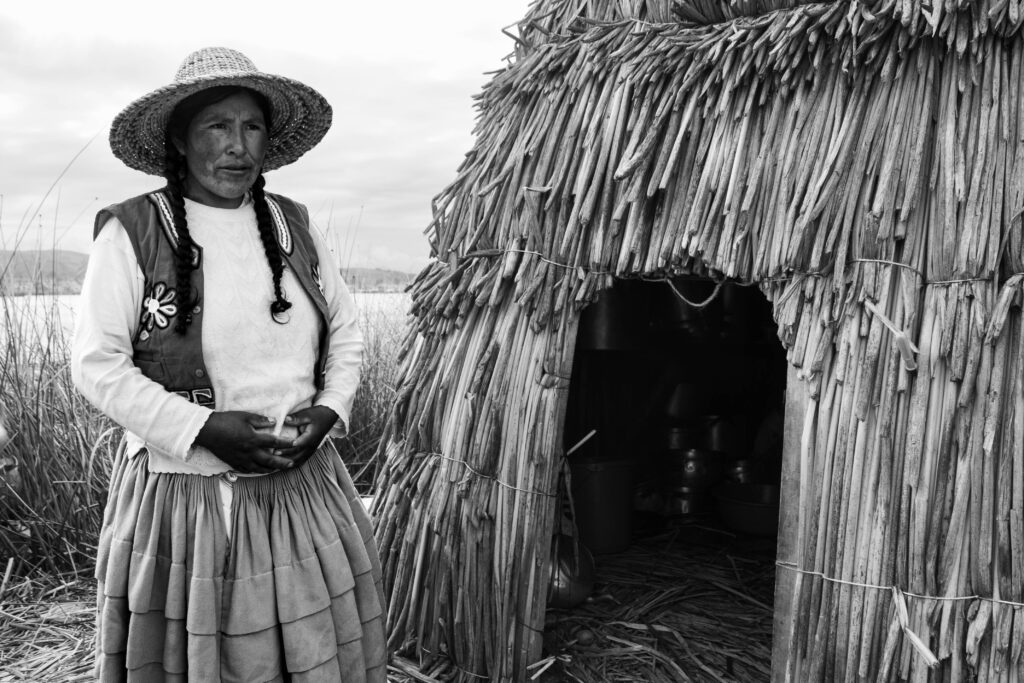
In the night by the lake, a light shines from a house. A woman sits in front of a cauldron. I take a photo of her. I think of Terzani and his sense of wonder at the Burmese people, still untouched by globalization, living in small homes lit by a faint glow, where time still follows the rhythm of nature.

The next day, breakfast is at 6 a.m. Fried bread, jam, boiled eggs, and warm quinoa syrup. The children go to school on the neighboring island. The lake looks like a vast, brilliant blue sea that stretches out to meet the yellow and brown islands of the Peruvian and Bolivian coasts.

The next day, breakfast is at 6 a.m.: fried bread, jam, boiled eggs, and warm quinoa syrup. The children head to school on the neighboring island. The lake looks like a vast, intensely blue sea, merging with the yellow and brown islands along the Peruvian and Bolivian coasts.

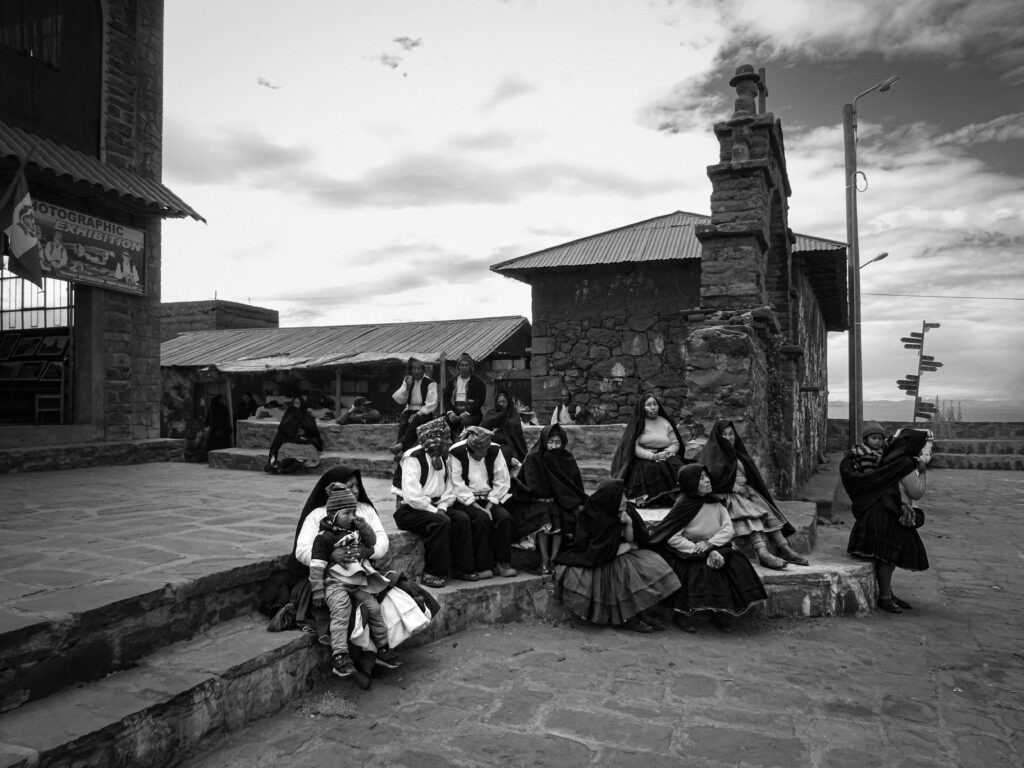
Isla de Taquile (Lake Titicaca) – 3,810 meters above sea level.

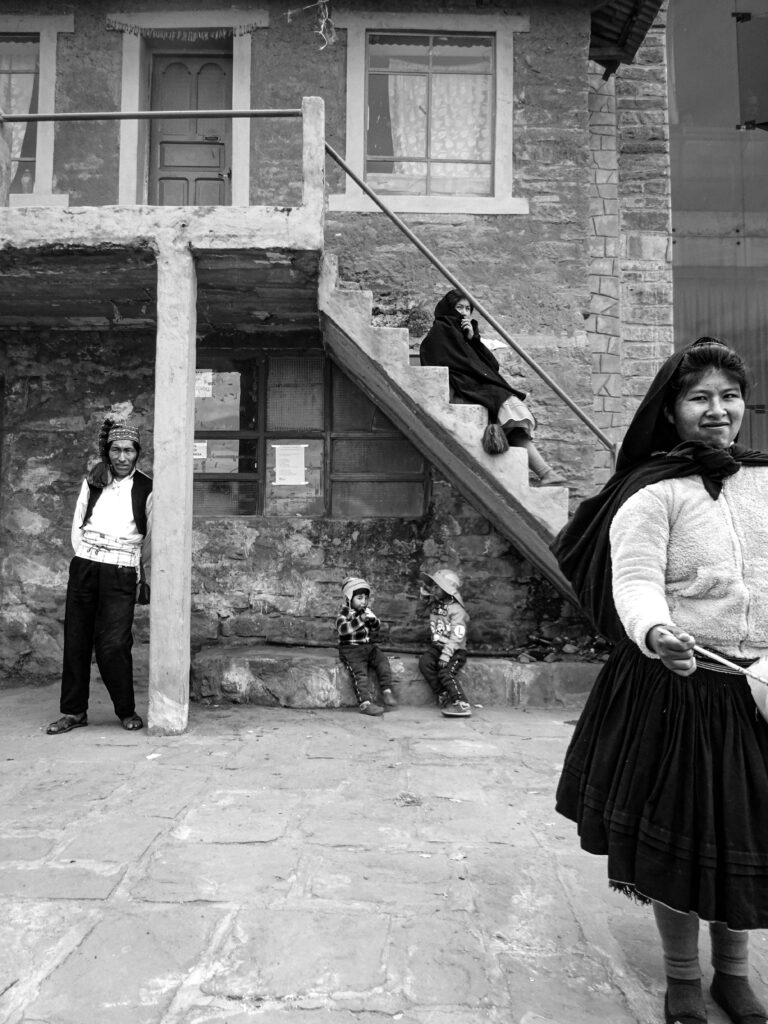
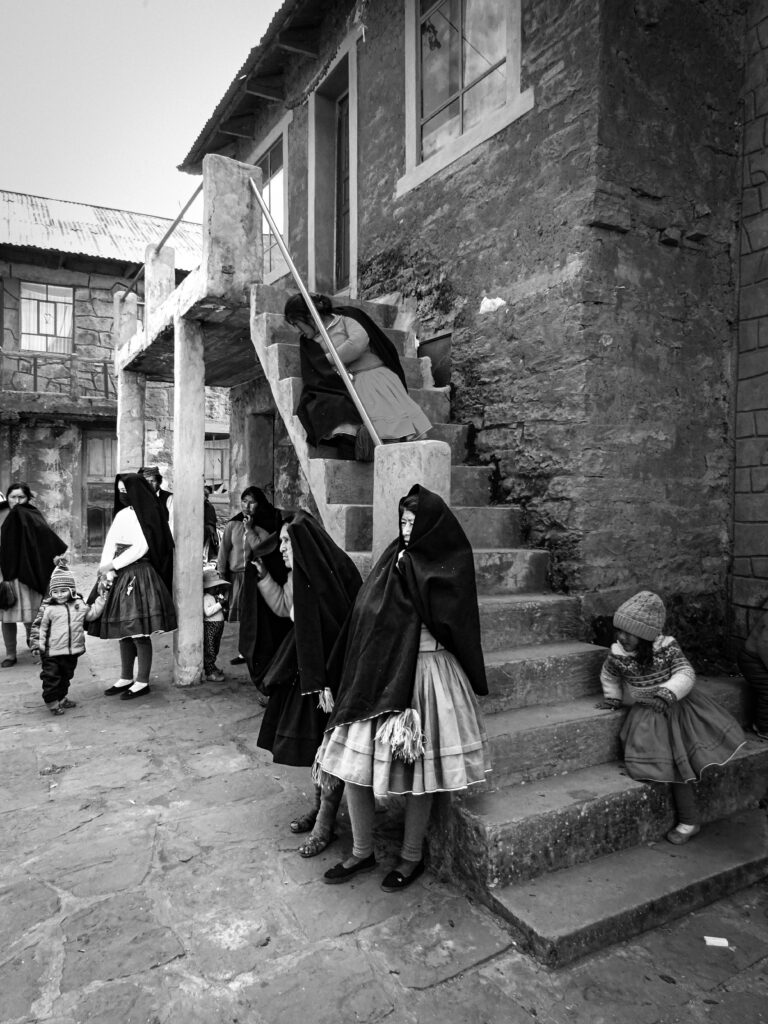
On Taquile, there are no Western clothes, and the indigenous people continue to wear traditional attire. I greet everyone with a simple “hola,” which is always met with a warm and cordial reply. At some point, a very young couple stops me: the boy, after learning about my origins, starts talking to me about Argentine footballers and eventually asks, “How do you say ‘feliz cumple’ in Italian?” “Buon compleanno!” I reply. He asks me to say it to his young wife: it’s her birthday today. Their names are Antonio and Cristina, and they are no older than eighteen.

Vinicunca – 4,800 meters above sea level.
 

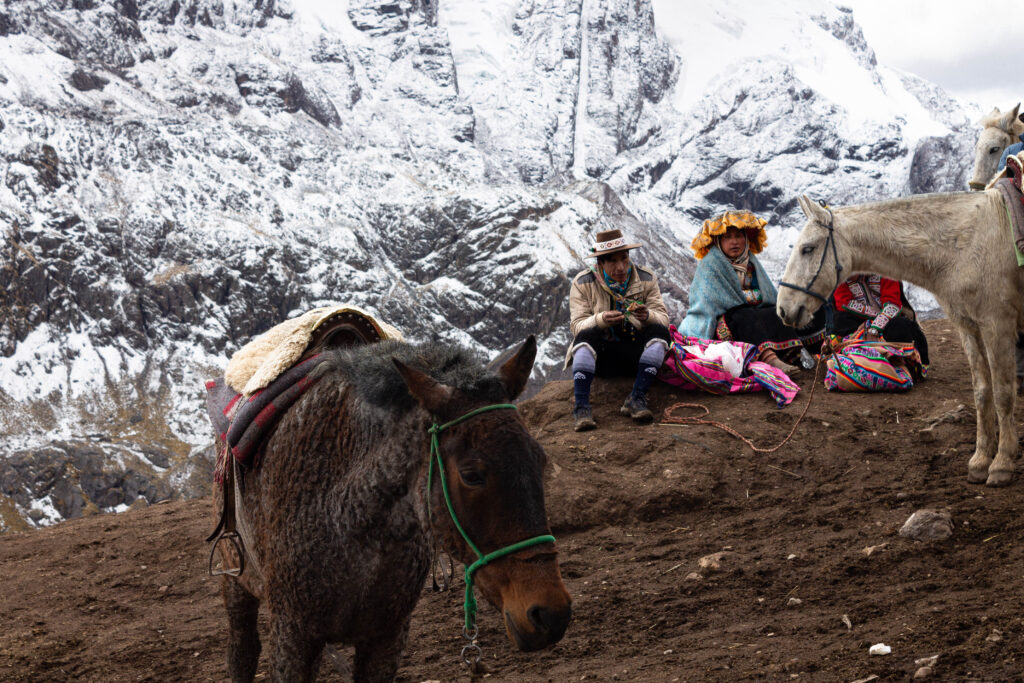
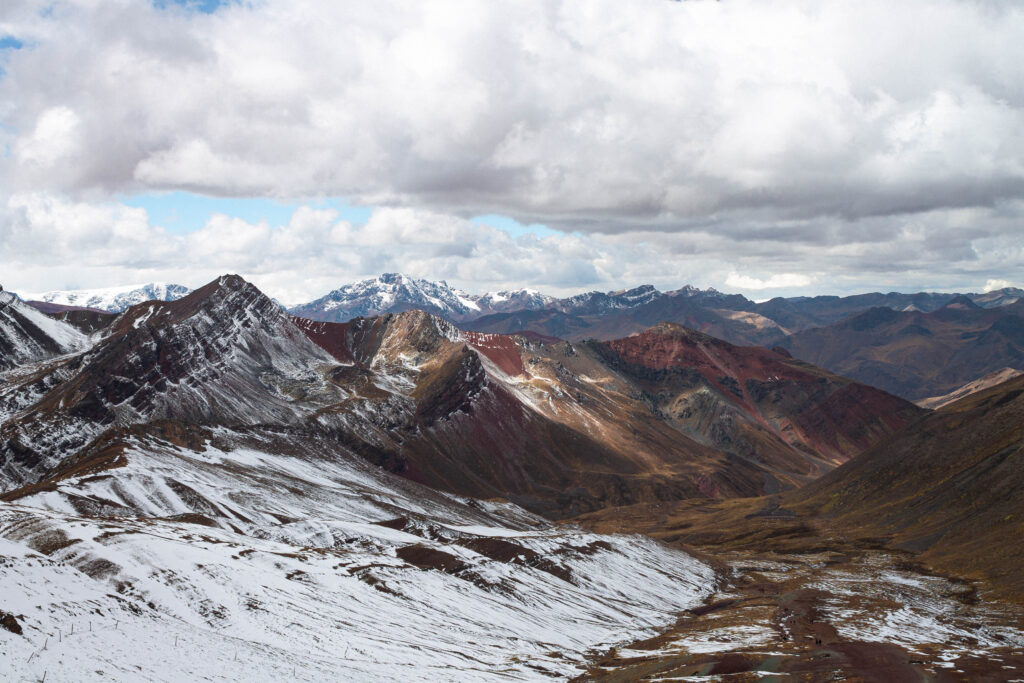
Snow, red peaks, and violet valleys. Until 2007, these valleys at the ends of the Earth were covered by thick layers of ice, which, due to global warming, have melted. One day, an indigenous person dared to venture to these places and discovered these colorful mountains. Today, along the trail leading to the top, horses and colorful indigenous people struggle up the path. About every hundred meters, small makeshift stations offer passersby coca tea and chocolate bars. The head spins from the lack of oxygen but, above all, from what Bonatti would have called “a state of grace.”

Vinicunca – 5,039 meters above sea level.

Before starting the descent, I drink the last cup of coca tea. Before the first sip, I pour a little on the ground; it’s an offering to Pachamama, as I’ve learned to do here these days. After all, it is she who I must thank.